
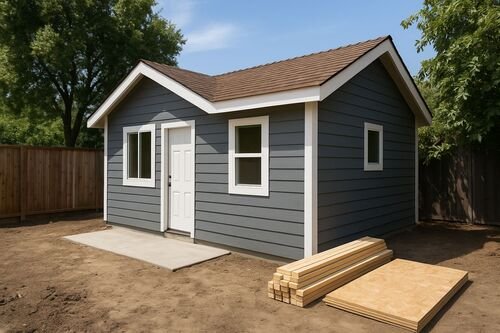
ADU Builders Bay Area is expanding accessibility focused accessory dwelling unit construction across San Jose and the broader Bay Area. Accessible design principles, including elements drawn from Americans with Disabilities Act standards and universal design practice, support occupants with mobility limitations, sensory differences, or other accessibility needs. While ADA standards apply primarily to public accommodations rather than private residences, the design principles underlying ADA requirements translate well into residential applications that support occupants across changing physical conditions.
The company designs and builds accessible ADUs that serve a wide range of needs. Family members with mobility limitations, aging parents who need to age in place, caregivers who require accessible work environments, and homeowners who value universal design principles all benefit from ADUs designed for broad accessibility. The company integrates accessibility into the original design rather than retrofitting it after construction.
Universal Design Principles for ADUs
Universal design seeks to create environments usable by people of all ages and abilities without specialized accommodations. Applied to ADU construction, universal design supports occupants who use mobility aids, occupants with limited reach or grip strength, occupants with vision or hearing differences, and occupants whose needs change over time. The result is housing that works for more people across more circumstances.
The company applies universal design principles through layout choices, fixture selection, hardware decisions, and material specifications. Single level layouts, wider doorways, lever hardware, accessible heights, slip resistant surfaces, and good lighting all contribute. These elements support immediate occupants and preserve flexibility for future occupants whose needs may differ.
Single Level Layouts and Step Free Entries
Single level layouts eliminate stairs as accessibility barriers. The company designs detached ADUs as single level structures whenever lot conditions support that approach. Attached ADUs and garage conversions are also configured for single level living. Multi story ADUs include elevators or platform lifts when the design supports them, though most accessibility focused projects work better as single level units.
Step free entries from the street, driveway, or main residence pathway support mobility aid users and reduce trip hazards for everyone. Pathways are graded to remove unnecessary changes in elevation. Entry thresholds are designed flush or nearly flush. Covered entries protect against weather. Where lot grading creates challenges, gentle ramps with appropriate slopes and handrails replace stairs.
Wider Doorways and Hallways
Standard residential doorways are often narrower than mobility aid users need. The company specifies doorways that accommodate walkers, wheelchairs, and other mobility aids comfortably. Hallways are wider than typical residential minimums to support turning, passing, and approach to door openings. Door swings are planned to support accessibility without consuming useful interior space.
Door hardware uses lever handles rather than round knobs. Lever hardware works for occupants with limited grip strength, occupants with hands full, and occupants with arthritis. Lever hardware also works well for all occupants without limitation, which is one of the strengths of universal design choices.
Accessible Bathrooms
Bathrooms are among the most important spaces for accessibility focused design. Walk in showers without curbs allow easy entry. Shower benches support occupants who prefer to sit while bathing. Grab bar blocking installed during framing supports current or future grab bar installation in any necessary position. Comfort height toilets, accessible vanity heights, and lever style faucets all support independent use.
Roll in shower designs accommodate wheelchair use when needed. Adequate floor space supports mobility aid maneuvering. Slip resistant flooring reduces fall risk. Lighting plans include consistent illumination without shadows that affect balance. Ventilation prevents moisture buildup. Across Bay Area families planning ADUs to support accessibility needs, ADU Builders Bay Area applies these design principles in ways that support dignity, independence, and safety together.
Accessible Kitchens
Accessible kitchens balance independence with practical function. Counters at multiple heights accommodate cooking from standing and seated positions. Accessible storage at convenient heights reduces reaching. Pull out shelves, drawers for cookware, and easy grip hardware support comfortable use. Induction cooktops reduce burn risk and support cooking by occupants with limited hand strength who may benefit from lighter cookware.
Appliance placement reduces unnecessary movement. Refrigerators are placed within easy reach of the preparation zone. Sinks include knee space for seated use when appropriate. Microwaves are installed at accessible heights rather than over the range. Lighting at work surfaces supports vision tasks during cooking.
Bedroom and Sleeping Area Considerations
Bedrooms are configured for safe nighttime movement. Layouts allow direct access to bathrooms. Night lighting can be programmed for low intensity continuous illumination or motion activated paths. Closet systems are accessible without high reaching or deep bending. Outlets are positioned for easy access from the bed.
For occupants who may use specialized equipment, the company plans for medical equipment placement, oxygen concentrator locations, and other specific needs. Family members and caregivers are consulted during design to ensure that the bedroom supports the actual needs of the occupant.
Lighting for Vision Support
Lighting plans consider vision support throughout the unit. Consistent illumination levels support occupants with reduced vision. Avoidance of glare and harsh contrast supports visual comfort. Task lighting at activity zones supports detail work. Path lighting supports safe movement.
Smart lighting controls support adjustment to changing conditions. Occupancy controls turn lights on when needed. Schedule based control supports daily patterns. Dimming controls allow adjustment for comfort. These technologies support occupants whose vision needs vary across the day.
Hearing and Communication Accessibility
Some occupants benefit from visual notification systems, vibration alerts, and other accommodations for hearing differences. The company plans wiring and infrastructure for these systems during construction. Smoke detection with visual alerts, doorbell systems with visual notifications, and other accessibility features integrate cleanly when planned from the start.
Communication infrastructure also supports video phone use, captioning systems, and other technologies that support occupants with hearing differences.
Outdoor Access and Garden Connection
Outdoor space supports physical and mental well being. The company designs accessible patios, level pathways, and outdoor seating that allow occupants to enjoy outdoor time. Raised garden beds at accessible heights support continued gardening. Shade structures protect against summer heat. These outdoor zones connect the ADU to the broader property in ways that support daily quality of life.
Caregiver Support and Future Flexibility
Accessible ADUs may serve occupants who require periodic or ongoing caregiver support. The company designs spaces that accommodate caregivers without compromising occupant privacy and independence. Accessible bathroom layouts support assistance when needed. Storage for caregiver supplies fits without crowding the living space. These design choices support the realities of evolving care needs across years of occupancy.
Long Term Value of Accessible Construction
Accessible ADUs serve occupants well across changing physical conditions. They also appeal to a broad buyer pool at resale because universal design principles benefit nearly everyone. The investment in accessibility delivers value over the life of the unit.
About ADU Builders Bay Area
ADU Builders Bay Area is a Bay Area residential construction company specializing in accessibility focused ADUs, junior ADUs, garage conversions, detached ADUs, and related residential construction services. Based in San Jose and serving homeowners across the Bay Area, the company focuses on universal design, durable construction, and family centered planning.
ADU Builders Bay Area
111 N Market St suite 378
San Jose, CA 95113, United States